





Working with landscape maintenance contractors

[edit] Introduction
A well-designed and maintained landscape can attract people to a site and can have a positive impact on property value and personal wellbeing. With more elaborate landscaping, it is fairly common for facilities managers or other property management professionals to outsource maintenance responsibilities to a company that specialises in grounds maintenance.
[edit] Preparing a contract
As is the case with other specialist contractors, it is important to include essential information in tender documentation, such as:
- Identification of the parties involved, addresses, names, licenses, qualifications, insurance and so on.
- Services offered, including specifics that are agreed upon as well as those being excluded. Some examples include:
- Core tasks such as grass cutting, turf, hedge, tree and bed maintenance, maintenance, removal and disposal of landscaping waste and so on.
- Optional tasks such as replacement of trees, bulbs, hedges, shrubs and so on (including the design and maintenance of replacement bedding schemes, if necessary).
- Seasonal planting and cleanup schedules.
- Clarification regarding damage to property (including irrigation systems that may be used).
- Agreements regarding maximum and minimum height levels for grass, grass edging and hedges and other landscape elements.
- Requirements for maintenance and monitoring of moisture detection systems (to ensure irrigation systems do not activate when it’s unnecessary).
- Special environmental concerns (such as schools or other sensitive adjacent areas or ecosystems to be protected from pesticides, fertilisers or pest control measures).
- Notification procedures and documentation for application of any potentially harmful chemicals (such as pesticides).
- Inclusion (or exclusion) of car park maintenance, and tasks such as ice removal or other safety issues.
- Inclusion (or exclusion) of specific activities such as weed control, mulching, leaf collection and removal and so on.
- Equipment storage.
- Procedures for reporting and dealing with vandalism.
- Arrangements when safety restrictions or exclusion zones must be put in place (particularly when landscaping work requires the placement of safety barriers).
- Fees (typically for work completed), including payment plans and form of payment.
- Key dates, including start and finish dates.
- Arrangements regarding access to locked or restricted areas.
It is also helpful to have an inventory of trees, shrubs and other types of landscaping on the site. In order for the list to be suitable for the contract specifications, it should include details such as size, age, condition and maintenance requirements of each item.
[edit] Related articles on Designing Buildings Wiki
Featured articles
Check out some of the best features and news from Designing Buildings as well as key stories from around the web.

Building Safety Newsletter from MHCLG.
An extraordinary record of steel engineering worldwide.

Households living near new pylons to save on bills.

ECA warns growth must not outpace grid capacity or skills.
The role of the client and decision making

CIOB response to built environment professions call for evidence.
Construction's sustainability reporting revolution
Tracking upfront embodied carbon with digital tools.
ECA welcomes procurement reforms

Public spending must back British jobs and skills.
Campaigning for Edinburgh: the Cockburn Association 1875-2049

The role of the civic voice in protecting character. Book review.

CIOB photography competition is open for entries.
ECA Edmundson apprentice of the year award

Finalists announced.
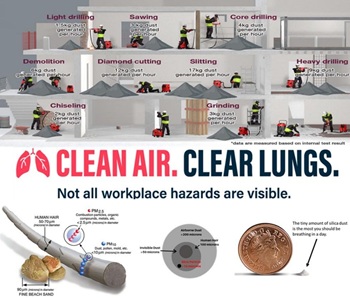
Major new study exposes serious knowledge gaps.

Generating energy from internal light as well as sunshine.